
From Idea to Shipped Device: An IoT Product Development Guide
The stages of taking a connected hardware product from concept to production — prototyping, firmware, cloud, certification and OTA updates.
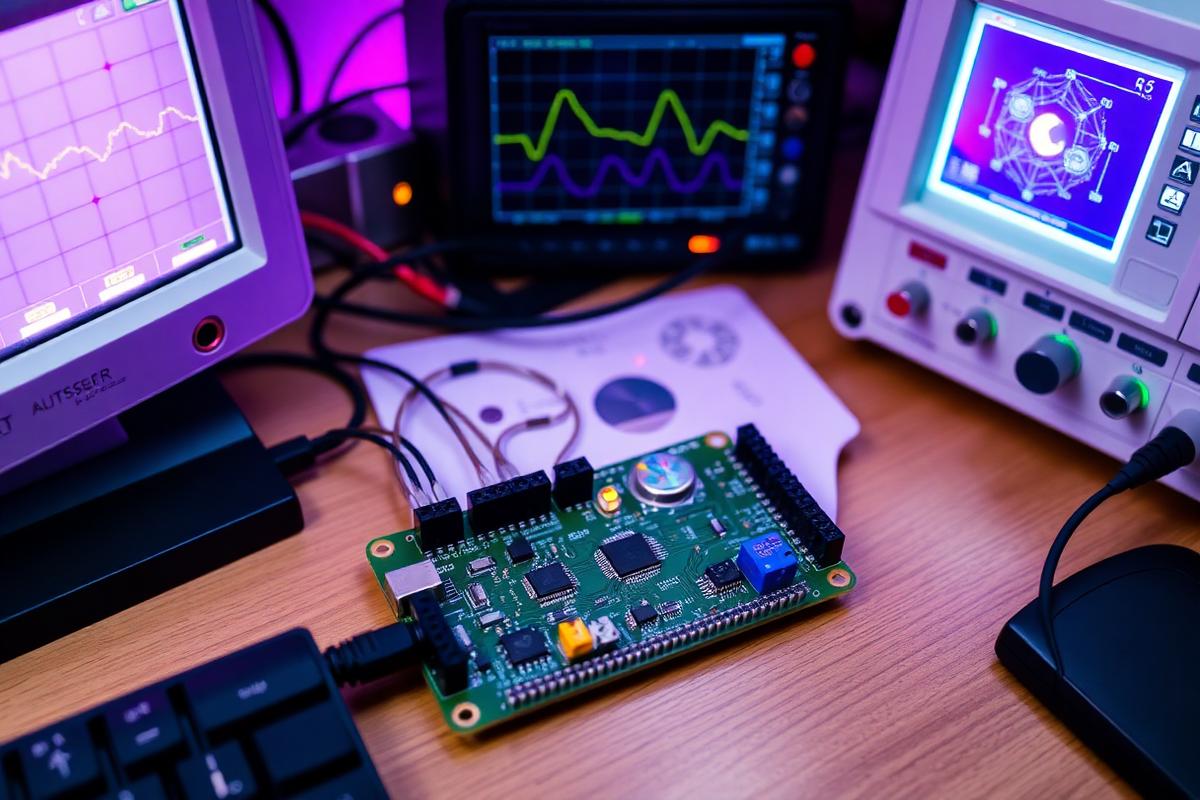
Hardware punishes shortcuts. A connected product that works on a breadboard is roughly 20% of the journey to something you can manufacture and support in the field.
1. Define the constraints first
Power budget, connectivity, environment and unit cost decide your chipset. Choosing an ESP32 versus an STM32 versus a Nordic part is a consequence of those constraints, not a starting preference.
2. Prototype and validate
- Breadboard the core sensing and connectivity path.
- Prove the worst-case scenario early: weakest signal, coldest battery.
- Test the actual user interaction, not just the electronics.
3. Firmware and drivers
This is where reliability is won: interrupt handling, watchdogs, safe state machines, and drivers for every peripheral you touch. Plan for the device to reboot at the worst possible moment and recover cleanly.
4. Cloud, dashboards and OTA
- MQTT or HTTPS telemetry with sensible retry and backoff.
- Device provisioning and identity per unit.
- Real-time dashboards and alerting.
- OTA/FOTA updates with rollback — never ship a device you cannot patch.
5. Production readiness
PCB design review, enclosure, factory test jigs, certification support and documentation. Budget time for this phase — it is routinely underestimated by months.
Want this done for your business?
KAF Infotech LLP builds websites, apps, ERP systems and connected products from Mumbai.